Fraudsters love hype and all-things-trending. Ah, so Toncoin is becoming very popular? Let’s build a cryptocurrency pyramid scheme. Artificial intelligence has hit the next level? Perfect for making voice deepfakes. The Euros have started? Get ready for a month of soccer scams…
The UEFA Euro 2024 tournament will gather over 2.7 million people in stadiums, and another 12 million in fan zones across Germany, while the total number of folks who’ll be following the year’s biggest soccer tournament boggles the mind. Alas, many of these spectators and viewers could make easy targets for scammers. That’s why it’s important to take the right precautions, understand the potential cyberthreats in the soccer world, and learn how to watch your favorite team’s matches safely.
Fake tickets
A typical threat before any major offline event is ticket fraud. In short: buy tickets only from the official UEFA website, or at the stadium box office – not from third parties or any other websites.
What could go wrong otherwise? Here are a few common scenarios:
Payment data compromise. This can happen if you pay by card on a fake (phishing) website. So before attempting to buy a ticket online, make sure there are no typos in the website’s address and that the domain wasn’t registered just a couple of weeks ago.
Personal data compromise. This scenario is also possible when buying from a phishing site — fraudsters may ask for not just your bank details but also your name, address, phone number and email. Be cautious if buying tickets requires an unusual amount of personal data.
Malware downloads. Fraudsters may offer to sell Euro 2024 tickets via a “special app”. This seemingly harmless app could turn out to be a stealer, miner, or something even worse. If you come across an offer to “download this app to buy tickets”, ignore it — it’s a scam.
All these scenarios have the same potential outcome — no tickets actually purchased, financial loss, and a very grumpy mood. If you want to make sure your data hasn’t already been compromised, install Kaspersky Premium — it will protect your devices from viruses, keep you safe from phishing and malicious links while surfing the web, and automatically check for data leaks from your accounts tied to email and phone numbers.
Pirate streams
Even if you plan on watching the entire tournament online — remain vigilant. Some attractively priced streaming services may turn out to be pirated, and a subscription that seems like a great deal could empty your bank account.
The risks here are the same as with tickets — payment and personal data can be stolen, and malicious scripts can be embedded in the streaming site pages, allowing attackers to control your browser and system. That’s why we don’t recommend storing passwords in your browser — use a password manager.
Pirate streaming service for watching Euro Cup matches
Illegal betting
Another popular type of soccer fraud is betting with illegal, fraudulent bookmakers offering fantastic odds. These outfits lure gamblers with attractive odds, and then disappear within a couple of weeks. As a result, the fans lose their money and, yet again, their payment data ends up in grubby hands. If you want to place a bet on a soccer match, use the official website or app of a bookmaker licensed to operate in your country.
Fake stores
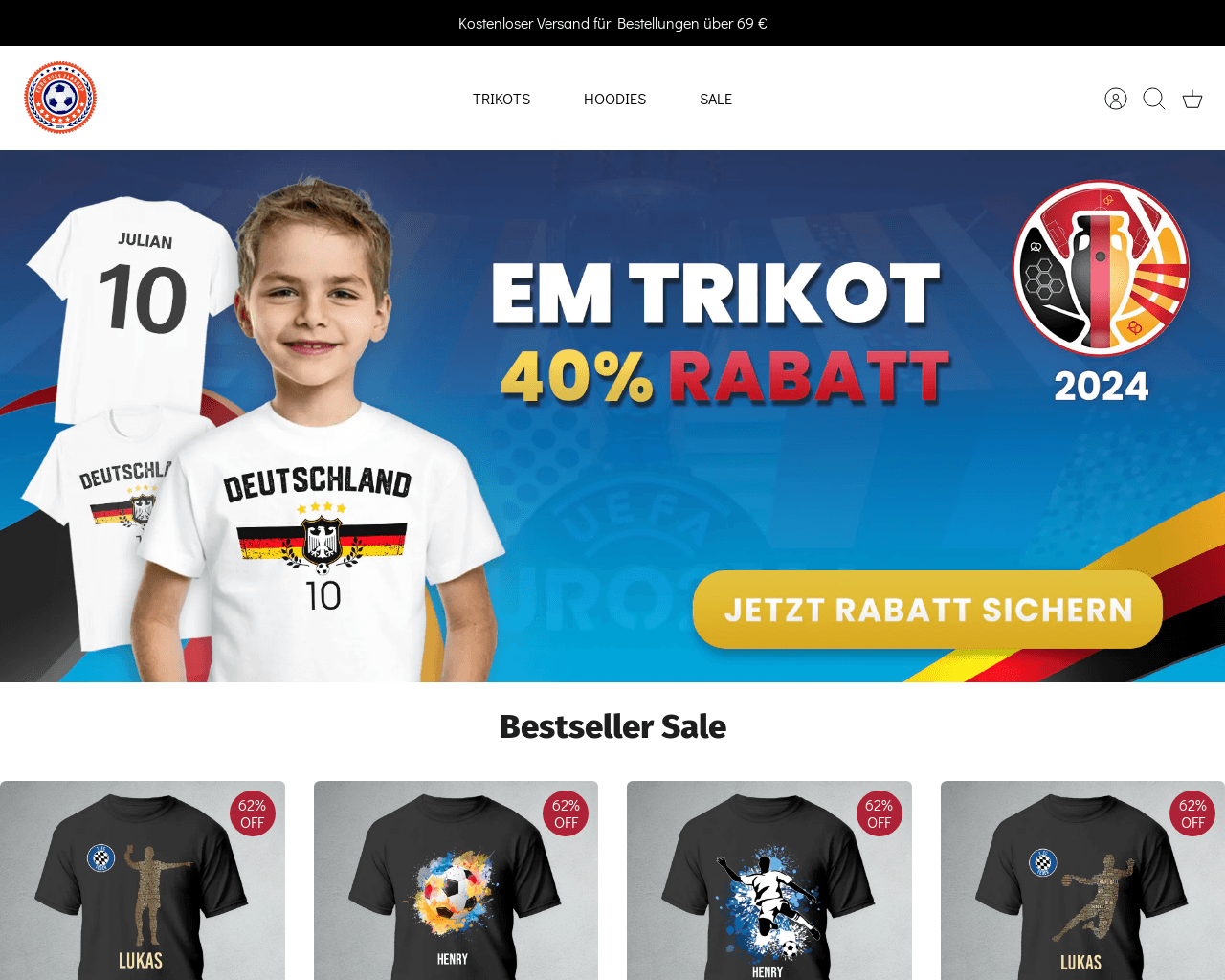
Any soccer tournament involving national teams inevitably causes a surge in the popularity of stores selling fan merchandise: jerseys, scarves, T-shirts and so on. Among the plethora of such shops, it’s best to choose official or offline stores — that way you won’t get scammed.
Fake store selling soccer paraphernalia
Fraudsters attract buyers with big discounts, low prices and free shipping, but in reality, these are classic scammer scenarios: without reliable protection, your payment and personal data can be stolen and you’ll never receive your favorite team’s jersey.
Recommendations
Watch soccer matches only on official channels/sites and don’t pay distributors of pirated content.
Use reliable protection that warns you when you’re about to visit a phishing site.
Pay using a virtual card with a set limit. Before purchasing a ticket or subscription, transfer only the amount needed for that one transaction. This way, fraudsters won’t be able to get their hands on anything extra.
Don’t buy tickets on the second-hand market— such tickets may be invalidated by UEFA. It’s better to use the organization’s official website.
Buy fan merchandise only from official stores— otherwise you risk encountering fraudsters.
Kaspersky official blog –